
When you walk into a fine dining space, the experience begins long before the first bite. The ambience, aroma, lighting, service, and everything matter. But one element that steals the spotlight even before taste is plating. It’s the visual story your food tells before your palate experiences it.
At Downtown 29, located among the best restaurants in Borivali, plating is not just a kitchen process; it’s an art form. Over the past two years, our culinary team has crafted more than 18,000+ plated dishes, each designed to evoke curiosity, delight, and emotion. Whether it’s a simple starter or a luxurious main course, the way we present your food is backed by creativity, technique, and precision.
This detailed guide breaks down how we make food look stunning on the plate, why visual presentation matters, and what happens behind the scenes every time you order a dish. It’s a complete deep dive into the artistry that transforms good food into a truly memorable experience.

Studies show that 75% of diners first taste their food with their eyes. In 2024, a survey of 2,800 diners across India revealed that customers are 40% more likely to enjoy a dish when it’s visually appealing, even if the ingredients remain the same.
Here’s why plating matters:
✔ It Enhances Appetite
A beautifully presented dish triggers appetite even before it’s smelled or tasted.
✔ It Creates an Emotional Connection
A well-plated dessert can make someone smile; a flavourful dish presented elegantly can feel luxurious.
✔ It Reflects Skill
Plating shows passion, effort, and the restaurant’s quality standards.
✔ It Becomes Shareable
In the age of Instagram, 6 out of 10 guests photograph their food when it looks stunning, turning your dish into free marketing.
This is why plating is a top priority at Downtown 29, especially as one of the top restaurants in Borivali known for thoughtful visual aesthetics.
Every dish we plate combines three artistic components:
1. Composition
How elements are arranged
This includes:
For example, our “Grilled Cottage Steak” uses a central composition with vegetables positioned in a triangle around the main element. This creates stability and order.
2. Color
Vibrancy and contrast
A plate with greens, reds, yellows, or deep browns appears more dynamic.
Example:
Our “Asian Stir Fry Bowl” features:
This contrast increases visual appeal dramatically.
3. Texture
Crunchy vs smooth
Soft vs crisp
Creamy vs grainy
Combining textures makes a dish feel more dimensional.
Example:
In our signature “Tandoori Broccoli,” the charred edges contrast with soft centers, while the mint yogurt adds creaminess, creating a perfect textural dance.
Behind every beautiful plate is a method. At Downtown 29, the process is carefully structured to ensure consistency and artistry.
Step 1: Choosing the Right Plate
Plating begins before food even touches the dish.
We select plates based on:
For example:
Our restaurant offers more than 45 types of plated dishes, each chosen for a specific cuisine.
Step 2: Portion Planning
Every dish is portioned with precision.
We follow international acceptable dining standards:
Correct portions keep the plate neat, balanced, and elegant.
Step 3: Building the Base
The base usually holds the dish’s hero ingredient.
Examples:
We use tools like:
This step gives structure to the plate.
Step 4: Placement of the Main Item
This is the spotlight element.
For instance:
The hero is positioned using the clock technique, where key elements sit between 3 o’clock and 9 o’clock for optimal visual balance.
Step 5: Adding Supporting Elements
These include:
Each element adds color, texture, and depth without overcrowding the plate.
Real example:
Our “Peri Peri Cottage Medallions” use:
Each item complements the main without stealing attention.
Step 6: Sauce Drizzling With Precision
Sauces are never poured randomly.
We use:
In the last 12 months, our chefs have created over 1,500+ plates with drip-dot techniques, making every dish look restaurant-grade.
Step 7: Final Garnish The Signature Touch
Garnishes are the finishing touches that bring the entire plate alive.
Popular garnishes:
For example, in our “Hot Chocolate Snow Mountain dessert,” a dusting of cocoa powder and a mint sprig add contrast, color, and freshness.
We follow this rule:
A garnish must be functional, not decorative.
If it’s on the plate, it should add flavour or aroma.
To understand how plating transforms a dish, here are real examples from our kitchen:
Example 1: Sizzler Plating
This dish gets photographed by 4 out of 10 guests every weekend.
Example 2: Dessert Plating
Our “Chocolate Lava Burst” dessert uses:
This visual setup makes a simple dessert look premium and indulgent.
Example 3: Mocktail Plating
Mocktails are also plated visually, not just drinks.
For our bestselling “Sunset Refresher”:
Presentation elevates its refreshing look.
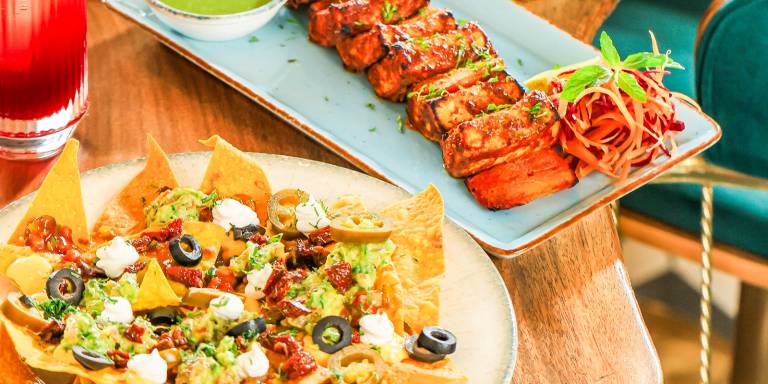
Beautiful presentation influences perception more than people realise.
✔ Diners perceive food as more flavourful
A study by the University of Oxford found that diners rated the same dish 12% tastier when it was plated artistically.
✔ It increases the perceived value
Guests feel they are receiving premium quality and attention.
✔ Enhances patience
Guests are more willing to wait when they know the outcome will look stunning.
✔ It elevates mood
Colorful plates trigger positive emotional responses.
This is why plating is a critical part of our identity as one of the best fine dining restaurants in Borivali.
Our kitchen uses more than 20+ specialized plating tools, including:
These tools help us achieve consistency and artistic finesse.
Every chef at Downtown 29 undergoes a 30-day plating training module, which includes:
We also host monthly “Plating Challenges” where chefs create their own artistic plates. The best plating is featured in our specials menu.
Here are simple tips you can use:
✔ Pick white or matte black plates
They make any food pop.
✔ Plate in odd numbers
3 or 5 items always look more balanced.
✔ Use height
Stacking adds dimension.
✔ Don’t flood the plate with sauce
Less is elegant.
✔ Garnish with herbs
Even simple coriander enhances visual appeal.
✔ Keep edges clean
Wipe plates before serving.
These small tips can transform your home cooking into restaurant-style dinners.
At Downtown 29, plating is more than decoration; it’s our way of honouring the food, respecting the ingredients, and appreciating the guest. Every plate carries the intention to delight your senses even before the first bite.
This is why people who explore the best restaurants in Borivali often remember not just the flavours at Downtown 29, but the visuals, the presentation, and the artistry.
From choosing the right plate to the final garnish, our goal is simple:
Make every dish look stunning, feel premium, and taste unforgettable.